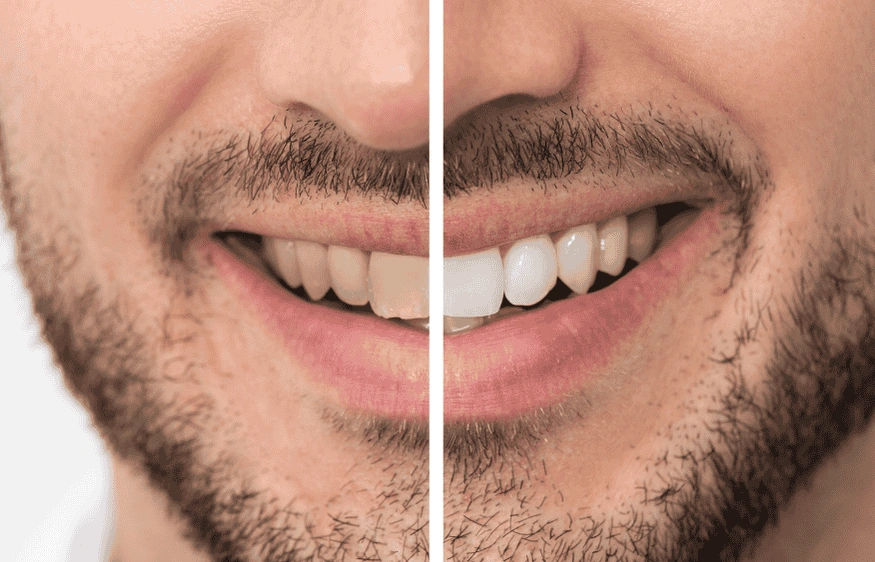
Smoking is widely known for its negative impact on overall health, but its effects on oral health and appearance are often overlooked. Beyond the long-term risks like cancer and heart disease, smoking can have immediate and visible consequences on your smile, including stained teeth, gum problems, bad breath, and even tooth loss. Understanding how smoking affects your mouth can motivate better habits and help preserve your oral health.
1. Discoloration and Stained Teeth
One of the most noticeable effects of smoking is tooth discoloration. Tobacco contains tar and nicotine, which can easily adhere to the enamel of your teeth. Over time:
- Teeth may develop yellow or brown stains that are difficult to remove with regular brushing.
- Professional cleaning or whitening treatments may be required to restore a bright smile.
- The staining can accumulate faster in people who smoke frequently.
Even occasional smokers can notice changes in tooth color, which affects both aesthetics and confidence.
2. Bad Breath and Oral Odor
Smoking contributes to persistent bad breath (halitosis). Tobacco smoke leaves chemical residues in the mouth that mix with bacteria, creating an unpleasant odor. Additional effects include:
- Reduced saliva flow, which normally helps wash away food particles and bacteria.
- Dry mouth, making it easier for bacteria to thrive and contribute to bad breath.
- Lingering smell in the smoker’s clothes, hair, and breath, which can affect social interactions.
Maintaining fresh breath can be challenging for smokers, even with regular brushing or mouthwash.
3. Gum Health and Periodontal Disease
Smoking has a direct impact on gum health and is a leading cause of periodontal disease:
- It reduces blood flow to the gums, slowing healing and weakening tissue.
- Smokers are more likely to develop inflamed, receding gums that expose tooth roots.
- Gum disease increases the risk of tooth loss, and it can make dental treatments less effective.
Even in early stages, gum problems can cause discomfort, sensitivity, and affect the overall appearance of your smile.
4. Tooth Decay and Enamel Damage
The chemicals in tobacco can contribute to tooth decay:
- Plaque and tartar build up faster on the surfaces of smokers’ teeth.
- Nicotine and tar create an acidic environment in the mouth, which weakens enamel over time.
- Smokers are more prone to cavities, and the damage can be more severe compared to non-smokers.
Preventive dental care becomes even more critical for smokers to avoid long-term damage.
5. Delayed Healing After Dental Procedures
If you require dental treatments like fillings, extractions, or even cosmetic procedures, smoking can slow recovery:
- Reduced blood flow limits the nutrients and oxygen available for healing.
- Smokers are at a higher risk of post-treatment infections and complications.
- Procedures such as dental implants may have lower success rates in smokers due to compromised gum and bone health.
Quitting or reducing smoking before dental procedures can significantly improve healing outcomes.
6. Impact on Smile Aesthetics and Confidence
Beyond physical damage, smoking affects how confident you feel about your smile:
- Yellowed or stained teeth can make people feel self-conscious about smiling.
- Gum problems or missing teeth may impact speech and facial structure.
- Persistent bad breath can affect social and professional interactions.
A healthy, bright smile plays a key role in personal confidence, which smoking can gradually undermine.
7. Steps to Protect Your Smile as a Smoker
While quitting smoking is the best way to protect your oral health, there are steps you can take if you are still smoking:
- Brush and Floss Regularly: Brush at least twice daily with fluoride toothpaste and floss daily to reduce plaque buildup.
- Use Mouthwash: Antibacterial mouthwashes can help reduce bacteria and control bad breath.
- Regular Dental Checkups: Visit your dentist every six months for cleanings and early detection of gum or tooth issues.
- Professional Whitening Treatments: Consider professional teeth cleaning or whitening to address discoloration.
- Stay Hydrated: Drinking water helps wash away debris and reduces dry mouth.
Implementing these habits can help minimize damage and maintain a healthier smile.
At Revive Dental Clinic, we are committed to providing personalized and professional dental care in a comfortable environment. Whether you’re looking for a routine checkup, cosmetic treatment, or advanced dental procedure, our expert team is here to guide you every step of the way. Contact us today to schedule your consultation and take the first step toward a healthier, brighter smile. We look forward to welcoming you to our clinic in Dubai Healthcare City.